

In today’s world, where cleanliness and clarity are paramount, the demand for surfaces that remain pristine despite frequent handling has skyrocketed. From smartphones and tablets to kitchen appliances and windows, maintaining smudge-free surfaces is a common challenge. This guide explores the latest advancements in smudge resistance technology, highlighting how invisible barriers are enhancing our everyday objects and spaces.
The Challenge of Smudges
Smudges are not just unsightly; they can impede functionality, especially on devices like touchscreens where clarity and visibility are essential. Oils from human skin, coupled with dust and other particulates from the environment, create a persistent issue that traditional cleaning methods can only temporarily resolve.
Enter Anti-Fingerprint Coatings
To address this, manufacturers have turned to sophisticated solutions like anti-fingerprint coatings, which effectively reduce the appearance of fingerprints and make surfaces easier to clean. These coatings are part of a broader category of nanotechnology-based treatments designed to repel oils and resist smudges, ensuring that surfaces remain clean and clear with much less maintenance.
Understanding Smudge Resistance Technology
Smudge resistance technology encompasses a range of innovative solutions designed to protect various surfaces from the oils and grime that typically mar them.
How Smudge-Resistant Coatings Work
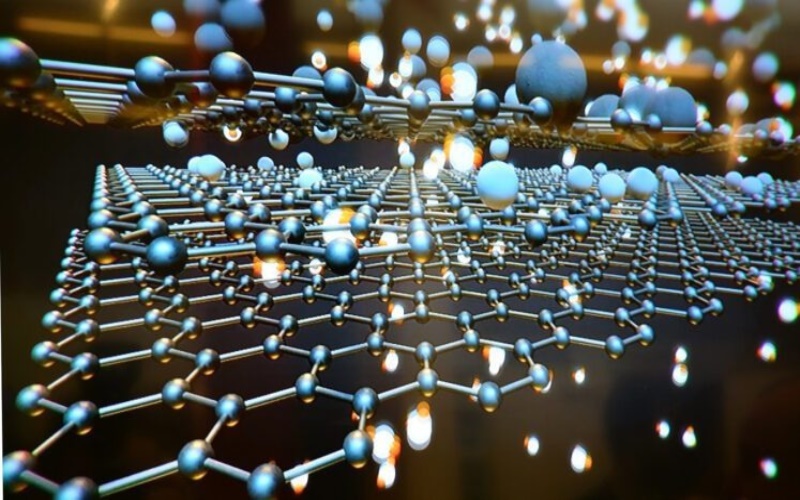
These coatings create an invisible barrier that alters the surface’s properties, making it less attractive to the oils that result in smudges. By increasing the surface’s hydrophobicity, these coatings prevent oils from adhering and make it easier for any residue to be wiped away without the need for harsh cleaning agents.
Materials and Methods
The most effective smudge-resistant coatings are often made from materials like silicones, fluoropolymers, and other advanced polymers that offer durability and longevity. The application methods can vary, but they typically involve processes such as vapor deposition, spray-on applications, or simple wipe-on techniques, depending on the type of surface and the specific requirements of the product.
Applications of Smudge-Resistant Technology
The potential applications for smudge resistance are vast, ranging from personal gadgets to large-scale architectural elements.
Consumer Electronics
In the realm of consumer electronics, smudge resistance is critical for enhancing user experience. Devices like smartphones, tablets, and touchscreen interfaces in cars all benefit from clear, readable screens free from fingerprints and smudges.
Home Appliances
Stainless steel appliances are beautiful and modern but notorious for showing every fingerprint. Smudge-resistant coatings can keep these surfaces looking cleaner, helping maintain the aesthetic appeal of modern kitchens without constant cleaning.
Automotive and Aerospace
In the automotive industry, smudge resistance is applied not just to touchscreens but also to windows, mirrors, and interior plastics. In aerospace, these technologies are used on cockpit displays and interior windows to reduce glare and maintain clarity under challenging conditions. Visit Here: latestzimnews
Eyewear and Optical Devices
Smudge resistance is crucial for devices where clarity is essential, such as eyeglasses, cameras, and binoculars. These coatings ensure that vision and image clarity are not compromised by fingerprints or smudges on lenses.
Benefits of Smudge Resistance
The benefits of smudge-resistant technologies extend beyond the aesthetic. They contribute to improved functionality, enhanced safety, and reduced maintenance costs. sightwiki
Improved Functionality
For touchscreen devices, smudge resistance means more accurate and responsive interfaces, as excessive oils can interfere with the touch sensitivity of screens.
Enhanced Safety
In vehicles and aerospace, clear visibility is crucial for safety. Smudge-resistant technologies help ensure that displays and windows remain clear, contributing to safer operation.
Lower Maintenance Costs
Surfaces that resist smudging require less frequent cleaning, which not only saves time but also reduces the expenditure on cleaning supplies and the effort involved in maintenance.
Future Trends in Smudge Resistance
As technology evolves, so too do the capabilities of smudge-resistant coatings. Future advancements are likely to focus on even more durable materials that can resist smudges for the lifetime of a device or appliance without reapplication.
Integration with Other Functional Coatings
Innovations may include the integration of smudge-resistant properties with other functional coatings, such as antimicrobial or anti-glare treatments, offering multifunctional benefits.
Environmentally Friendly Options
As sustainability becomes a more pressing concern, the next generation of smudge-resistant coatings will likely be developed with environmentally friendly materials and processes, reducing the ecological footprint of manufacturing and maintaining these coatings.
A Cleaner, Clearer Future
The advancement of smudge resistance technology marks a significant step forward in the quest for cleaner, clearer surfaces in all aspects of life. From the phones in our pockets to the cars we drive, the ability to repel unsightly smudges not only enhances the appearance and functionality of these items but also improves our overall experience with them. As we continue to innovate and apply these invisible barriers, the future looks promising for both aesthetics and practicality in our daily environments.
