

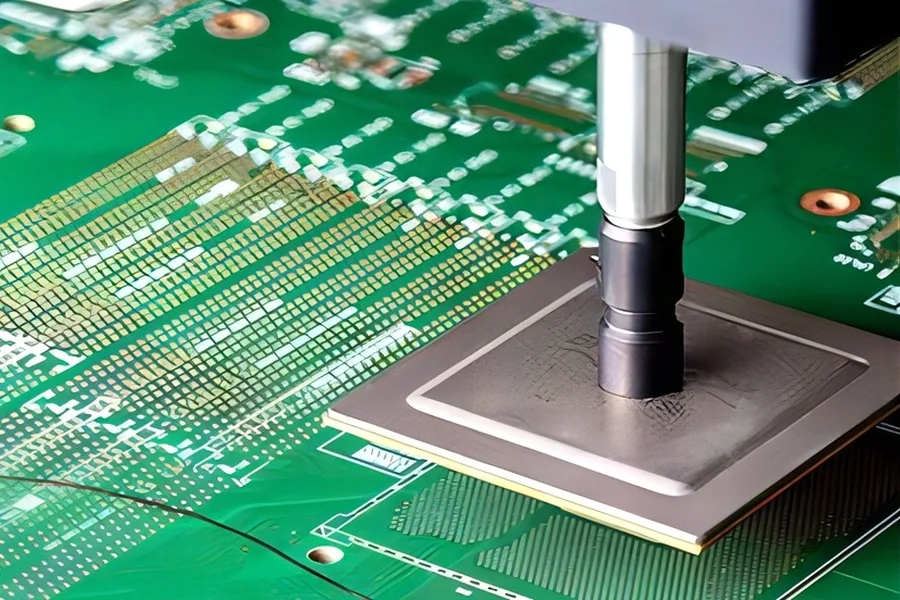
Low volume PCB assembly refers to the production of printed circuit board assemblies in small to medium quantities, typically ranging from a few units to several hundred boards. This manufacturing approach is widely used for prototypes, pilot runs, early-stage product launches, and customized electronics where flexibility and speed are more important than mass production efficiency. Low volume PCB assembly allows companies to validate designs, test functionality, and refine performance before committing to high volume manufacturing.
In today’s fast-moving electronics market, low volume PCB assembly plays a critical role in reducing development risk. It enables engineers and product teams to move quickly from concept to physical hardware while maintaining strict control over quality and design accuracy.
Why Low Volume PCB Assembly Is Important
Low volume PCB assembly bridges the gap between prototyping and full-scale production. It offers manufacturers and OEMs the ability to adapt quickly to market changes and design improvements.
Faster Time to Market
One of the main advantages of low volume PCB assembly is speed. Shorter production cycles allow companies to assemble boards quickly, identify design flaws early, and implement revisions without long delays. This is particularly valuable for startups and technology-driven businesses competing in innovation-focused industries.
Design Flexibility and Iteration
Low volume PCB assembly supports frequent design changes without the high costs associated with mass production tooling. Engineers can adjust layouts, components, or materials based on real-world testing results. This flexibility ensures that the final product meets performance expectations before scaling up.
Low Volume PCB Assembly Process
The process of low volume PCB assembly follows many of the same steps as high volume manufacturing, but with a greater emphasis on customization and precision.
Engineering Review and Preparation
Each low volume PCB assembly project typically begins with a detailed engineering review. This stage focuses on verifying design files, component selection, and assembly requirements. Since production quantities are limited, careful preparation ensures that errors are minimized and rework is avoided.
Component Sourcing and Assembly
Component sourcing is a critical part of low volume PCB assembly, especially when dealing with specialized or hard-to-find parts. Assembly is carried out using controlled processes that prioritize accuracy and consistency, ensuring that each board performs exactly as intended.
Key Benefits of Low Volume PCB Assembly
Low volume PCB assembly provides several strategic benefits for businesses across various industries.
Cost Control for Small Batches
Unlike high volume manufacturing, low volume PCB assembly does not require large upfront investments in tooling or inventory. This makes it a cost-effective solution for small production runs, especially when designs are still evolving.
Higher Attention to Detail
Because quantities are limited, manufacturers can focus more closely on each assembled board. Low volume PCB assembly often involves enhanced inspection and testing, resulting in higher reliability and performance consistency.
Applications of Low Volume PCB Assembly
Low volume PCB assembly is widely used in scenarios where customization, testing, and rapid development are essential.
Prototyping and Product Development
During the early stages of product development, low volume PCB assembly allows engineers to test real hardware under actual operating conditions. This hands-on validation is crucial for refining designs and ensuring compliance with technical requirements.
Industrial and Specialized Electronics
Many industrial and specialized electronic products require low volume PCB assembly due to limited production demand or highly customized designs. These applications benefit from the flexibility and precision that low volume manufacturing offers.
Medical and Research Equipment
In medical and research environments, electronics are often produced in small quantities and must meet strict quality standards. Low volume PCB assembly supports these requirements by combining controlled processes with detailed quality checks.
Quality Assurance in Low Volume PCB Assembly
Quality is a defining factor in low volume PCB assembly, as each board often represents a critical part of a larger system.
Inspection and Functional Testing
Thorough inspection ensures that solder joints, component placement, and electrical connections meet design specifications. Low volume PCB assembly frequently includes functional testing to confirm that boards operate correctly before delivery.
Process Consistency
Maintaining consistency across small batches is essential. Well-defined processes and experienced technicians help ensure that every assembled board meets the same quality standards, even when production volumes are low.
Challenges in Low Volume PCB Assembly
While low volume PCB assembly offers flexibility, it also comes with unique challenges that require careful management.
Balancing Cost and Efficiency
Producing small quantities can result in higher per-unit costs compared to mass production. Optimizing workflows and sourcing strategies helps keep low volume PCB assembly economically viable without compromising quality.
Supply Chain Coordination
Component availability can impact timelines in low volume PCB assembly, especially when dealing with specialized parts. Effective supply chain coordination ensures smooth production and timely delivery.
Selecting the Right Partner for Low Volume PCB Assembly
Choosing the right manufacturing partner is critical for successful low volume PCB assembly. An experienced provider offers engineering support, transparent communication, and scalable solutions that can grow with your product. Early collaboration helps prevent issues and ensures that the assembly process aligns with your technical and commercial goals.
Conclusion
Low volume PCB assembly is an essential manufacturing solution for companies seeking flexibility, speed, and precision in electronics production. It enables efficient prototyping, controlled product launches, and customized manufacturing without the risks associated with large-scale production. By working with a reliable provider offering Chinese PCBA, businesses can access advanced low volume PCB assembly capabilities, competitive manufacturing expertise, and a clear pathway from initial development to future scale-up.
