

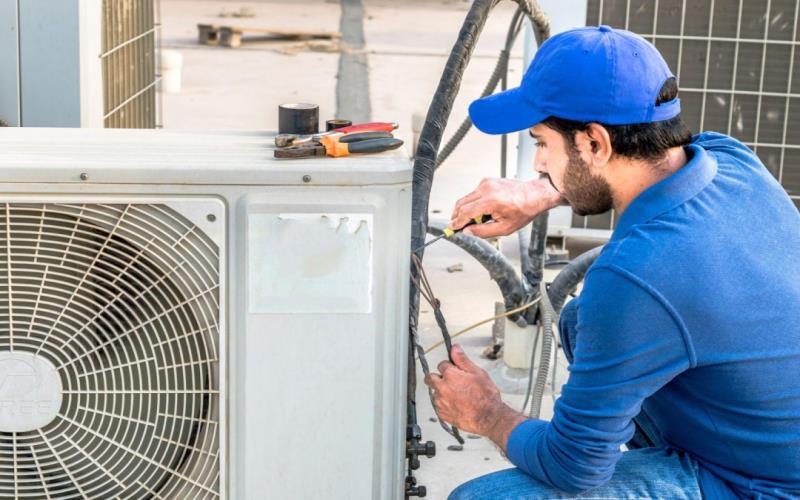
The quest for energy efficiency in heating, ventilation, and air conditioning (HVAC) systems has led to a significant focus on optimizing furnace components. Advanced technologies and upgrades play a pivotal role in enhancing performance, reducing energy consumption, and extending the lifespan of these systems. Components such as filters, blowers, and hvac exchangers are critical to operating these units efficiently. This article explores how advanced furnace component upgrades can optimize their working capacity, detailing the importance of each component, their role in power conservation, and the overall benefits of regular upgrades. Through careful consideration and strategic upgrades, it is possible to balance maintaining a comfortable indoor environment and minimizing electricity usage.
Identifying Key Components for Performance Enhancement
Upgrading critical components of an HVAC system is essential for enhancing its performance and efficiency. Identifying which parts require upgrades involves a comprehensive evaluation of the entire system. Components such as the blower motor, thermostat, filters, and especially the furnace’s heat exchanger are crucial for optimal performance. Upgrading to a variable-speed blower motor can significantly improve air distribution and temperature control. Similarly, smart thermostats offer better control over heating and cooling cycles, reducing power waste. High-efficiency filters ensure cleaner air while minimizing the strain on the system. Focusing on these components for upgrades can substantially improve its proficiency and indoor air quality.
The Role of Heat Exchangers in Energy Conservation
Heat exchangers are at the heart of furnace efficiency and play a critical role in electricity conservation. These components transfer heat from the combustion gases into the air or water used to heat a building without mixing the two. Upgrading to a high-efficiency heat exchanger can significantly reduce electricity consumption by optimizing heat transfer. Advanced materials and designs, such as counterflow heat exchangers or those made from corrosion-resistant alloys, enhance this process, transferring more heat with less power loss. It conserves energy and contributes to a reduction in utility bills and environmental impact.
Benefits and Cost Savings
Regularly upgrading furnace parts yields numerous benefits, including extended system longevity and significant cost savings. Components upgraded to more efficient versions typically operate with less strain, reducing wear and tear and prolonging the unit’s life. Additionally, the efficiency gains from upgrades can lead to lower electricity consumption, translating into substantial cost savings over time. For instance, upgrading to an energy-efficient blower motor or installing a smart thermostat can optimize the operation of these devices, ensuring they use it only when necessary. These savings and reduced maintenance costs due to improved system reliability make regular upgrades a wise investment.
Technologies Enhancing HVAC Efficiency
Integrating innovative technologies into these units revolutionizes their operations and significantly enhances their efficiency. Technologies such as modulating furnaces that continuously adjust the burner flame and blower speed to match heating demands and smart thermostats that learn from occupants’ behaviors to optimize heating and cooling schedules are leading the way and additionally, incorporating IoT (Internet of Things) devices aids in for real-time monitoring and control from remote locations, enabling prompt adjustments to system operation that can save power. These technological advancements improve the proficiency of these devices and enhance user convenience and comfort.
Strategies for Maintenance and Efficiency
Maintaining optimal furnace proficiency extends beyond component upgrades; it requires a comprehensive maintenance strategy. Regular maintenance checks are essential, including cleaning or replacing filters, inspecting and cleaning ductwork, and ensuring vents are not blocked. Such maintenance improves air quality and ensures the furnace operates at peak efficiency. Additionally, scheduling professional inspections annually allows for the early detection of issues that could impact efficiency, such as leaks in the heat exchanger or malfunctioning thermostats. Adopting a proactive approach to furnace maintenance ensures that the system remains efficient, reliable, and effective in providing a comfortable indoor environment.
Data Analytics for Predictive Maintenance and Efficiency
Using data analytics in these units significantly advances optimizing furnace efficiency and operational reliability. By collecting and analyzing data from various sensors embedded within their parts, facility managers can move beyond traditional preventive maintenance to a more efficient predictive maintenance model. This approach uses real-time data to predict when components like filters, motors, and exchangers will likely fail or require maintenance. This allows scheduling interventions at the most reasonable times and minimizing downtime and operational disruptions.
Conclusion
Optimizing their proficiency through advanced furnace component upgrades is a multifaceted approach that encompasses identifying critical components for enhancement, understanding the pivotal role of heat exchangers in energy conservation, and recognizing the benefits of regular upgrades. Innovative technologies further contribute to the efficiency and operation of these devices, while comprehensive maintenance strategies make sure these systems continue to perform at their best. Upgrades and maintenance, particularly involving critical components, lead to significant energy and cost savings and extend the system’s lifespan, proving a worthwhile investment for any facility. By prioritizing these aspects, achieving an efficient, reliable, and cost-effective HVAC system that meets the demands of modern living and working environments is possible.
