

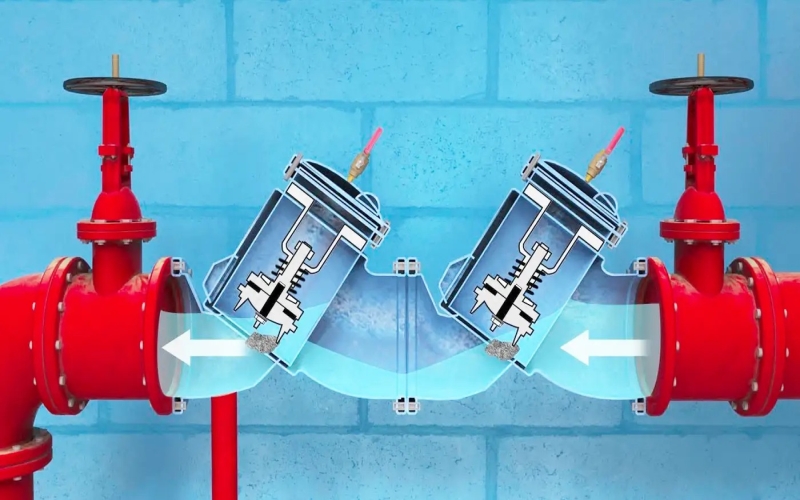
Introduction to Backflow Preventers
Backflow preventers are critical in maintaining the safety and integrity of water supply systems. They are designed to stop the reverse flow of water or mixed water and contaminants into the clean water supply. This guide comprehensively explains how backflow preventers work, the dangers they protect against, and why they are indispensable for residential and commercial water systems.
Understanding Backflow and Its Dangers
What is Backflow?
Backflow occurs when the normal direction of water flow in a piping system reverses, a situation that can arise due to changes in water pressures. This reverse flow can happen because of backpressure, where downstream pressure exceeds the supply pressure, or back-siphonage, where reduced pressure in the supply line draws water backwards. Understanding the mechanics of backflow is essential to prevent the potential contamination it can cause.
Dangers of Backflow Contamination
Backflow contamination poses serious health risks as it can introduce harmful chemicals, pathogens, and other hazardous materials into the potable water supply. This contamination can occur in various situations, such as a break in a mainline or using a fire hydrant, which can cause a significant drop in pressure in the water system. The risks associated with backflow contamination underscore the critical need for effective prevention strategies.
Importance of Backflow Preventers
How Backflow Preventers Work
Backflow preventers are designed to automatically prevent water from reversing its flow in the system. They use a series of check valves and air gaps that close off when backflow conditions are detected, thus stopping contaminated water from entering the clean water supply. These devices are engineered based on the type of backflow risk (backpressure or back-siphonage) and the potential degree of hazard.
Essential Role in Protecting Water Sources
The role of backflow preventers extends beyond just maintaining water quality; they are essential in ensuring public health and safety. By preventing the reverse flow of contaminated water, these devices help protect entire communities from the spread of disease and exposure to harmful substances. Their importance is magnified in areas with high population densities or where industrial chemicals are used.
Types of Backflow Preventers
Several backflow preventers are suited for different scenarios and risk levels. Common types include pressure vacuum breakers (PVB), reduced pressure zones (RPZ), and double-check assemblies (DCA). Each type is designed to address specific water system vulnerabilities, whether installed in residential properties, commercial establishments, or industrial settings.
Installation and Maintenance
Proper Installation Procedures
The effectiveness of a backflow preventer depends significantly on its proper installation. Following manufacturer guidelines and local codes is crucial, which may require installation by a licensed professional. The installation process includes selecting an appropriate location, ensuring the device is accessible for testing and maintenance, and verifying that it is oriented correctly in the plumbing system to function as intended.
Routine Maintenance and Inspections
Regular maintenance and inspections are vital to ensure that backflow preventers continue to operate effectively. Local regulations typically mandate these inspections, including testing check valves, replacing worn parts, and flushing the system to remove debris. Maintenance schedules can vary based on the type of device and the environmental conditions it is exposed to.
Conclusion
Backflow preventers are indispensable in safeguarding drinking water from contamination. Understanding how these devices work, the dangers they prevent, and the importance of proper installation and routine maintenance is crucial for anyone responsible for water system integrity, from municipal workers to property owners. By investing in reliable backflow prevention, communities can protect their citizens from the potential hazards of contaminated water supplies, ensuring safe and clean water for everyone.
