

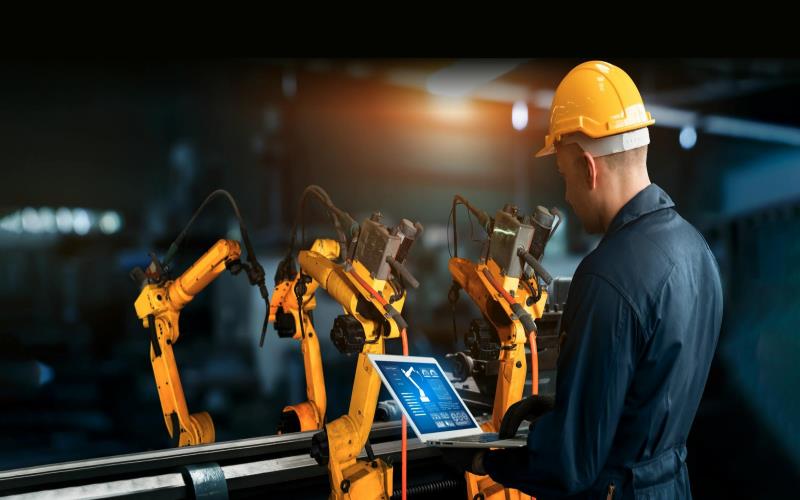
In the dynamic world of industrial maintenance, the integration of the Internet of Things (IoT) with traditional systems like vibration monitoring represents a significant leap forward. This evolution is reshaping how businesses approach machinery maintenance, leading to unprecedented levels of efficiency and longevity in equipment management. This article delves into how IoT enhances vibration monitoring systems and the pivotal role tools like the laser pulley alignment tool play in modern maintenance strategies.
The Role of Vibration Monitoring in Maintenance
Vibration monitoring systems have long been fundamental in predictive maintenance strategies. By detecting anomalies and changes in the vibration signatures of machinery, these systems can predict potential failures before they occur. This proactive approach helps prevent costly downtime and extends the lifespan of equipment.
Traditional vibration monitoring involves scheduled checks using various sensors and devices to collect data on equipment performance. While effective, this method can be labor-intensive and might not capture data anomalies that occur between checks.
The Impact of IoT on Vibration Monitoring
The integration of IoT technology transforms traditional vibration monitoring systems into more dynamic, real-time solutions. IoT enables continuous monitoring of equipment through sensors that transmit data instantaneously to a centralized platform. Here are some of the ways IoT is enhancing vibration monitoring:
Continuous Data Collection
IoT devices can collect and transmit data continuously, allowing for real-time monitoring of machine conditions. This constant flow of data helps in identifying issues that may develop quickly, which traditional monitoring might miss.
Advanced Data Analysis
With IoT, the data collected is more voluminous and complex. Leveraging advanced analytics and machine learning, IoT platforms can analyze this data to detect subtle patterns and predict failures with greater accuracy.
Remote Monitoring Capabilities
IoT enables remote monitoring of equipment, which is invaluable for industries with machinery spread across large areas or difficult-to-access locations. Maintenance teams can monitor equipment from anywhere, significantly reducing the need for on-site checks.
Automated Alerts and Responses
IoT systems can be programmed to send automated alerts when potential issues are detected. Depending on the severity, these systems can also initiate automatic shutdowns to prevent damage, ensuring that preventive measures are taken immediately.
Integrating IoT with Laser Alignment Tools
Proper alignment of machinery components is crucial for optimal performance and longevity. Misalignment can lead to increased vibration, premature wear, and eventually, equipment failure. The introduction of tools like the laser pulley alignment tool has significantly improved the precision of alignment tasks.
Precision and Efficiency
Laser alignment tools provide a high degree of accuracy, far superior to traditional methods. This precision ensures that machinery operates efficiently, with minimal wear and tear, thus extending the equipment’s operational life.
Integration with IoT Systems
When integrated with IoT systems, tools like laser pulley alignment tools can further enhance maintenance strategies. For instance, data from these tools can be directly fed into the IoT system, where it is analyzed in conjunction with vibration data. This integration allows for a comprehensive understanding of machine health and more informed decision-making.
Predictive Maintenance
The combined data from IoT-enabled vibration sensors and laser alignment tools allow for a predictive maintenance approach. This strategy not only identifies when a machine is out of alignment but also predicts when it might go out of alignment based on historical data trends.
Future Trends in IoT and Maintenance
As IoT technology continues to evolve, its integration with maintenance systems is expected to deepen. Future trends might include:
- Enhanced Machine Learning Models: As more data is collected, machine learning models will become more sophisticated, improving predictive accuracy.
- Increased Automation: Further automation of maintenance processes, including automatic adjustments and repairs.
- Integration with Other Technologies: IoT might be combined with other technologies such as augmented reality (AR) for more interactive maintenance procedures.
Conclusion
The evolution of maintenance through the integration of IoT with vibration monitoring systems marks a transformative phase in industrial operations. By embracing IoT and utilizing state-of-the-art tools like the laser pulley alignment tool, businesses can not only enhance the efficiency and accuracy of their maintenance procedures but also significantly improve the reliability and lifespan of their machinery. As this technology continues to evolve, it promises to bring even more innovations to the field of maintenance, making it smarter, faster, and more effective.
