

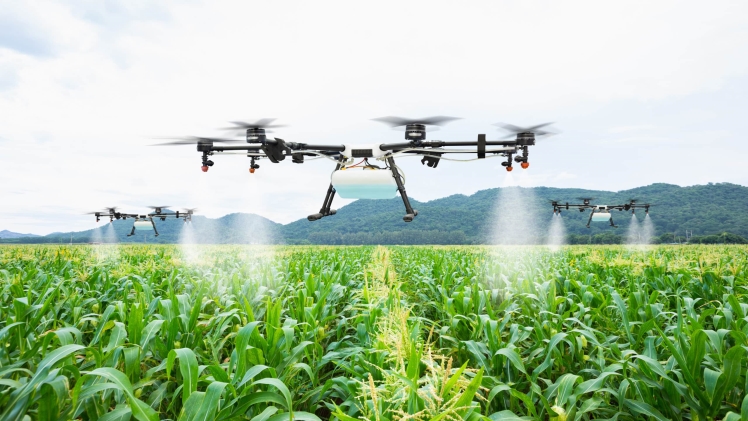
In today’s fast-paced world, technology has revolutionized almost every aspect of our lives, and agriculture is no exception.
The subtropical climate is a perfect breeding ground for a spectrum of pests in Florida.
Large-scale farms face numerous challenges, and one of the most pressing ones is pest management.
Traditional methods often fall short in providing efficient solutions, which is where DJI drones come into play.
These advanced aerial vehicles offer an innovative approach to pest control in agriculture, helping farmers protect their crops more effectively.
In this article, we will explore the significance of using DJI drones for pest management in large-scale farms, practical applications, and step-by-step guidance on how to use them for optimal results.
Significance of DJI Drones in Pest Management
Traditional pest management methods, such as manual inspection and chemical spraying, are time-consuming, costly, and not always precise. DJI drones have emerged as a game-changer in the agricultural sector for several compelling reasons:
1. Precision and Efficiency
DJI drones are equipped with advanced cameras and sensors that can capture high-resolution images and data. This precision allows farmers to identify specific areas affected by pests quickly. By pinpointing trouble spots, farmers can take targeted action, reducing the overall use of pesticides and minimizing environmental impact.
2. Time and Labor Savings
Inspecting vast fields for signs of pest damage manually is a labor-intensive task. DJI drones can cover large areas in a fraction of the time it would take a human, freeing up valuable labor resources for other essential farm tasks.
3. Cost-Effective
While the initial investment in a DJI drone may seem significant, the long-term cost savings are substantial. Reduced labor costs, lower pesticide usage, and increased crop yields can result in a quick return on investment for large-scale farms.
4. Data-Driven Decision Making
DJI drones not only capture images but also collect valuable data about the farm’s condition. This data can be analyzed to make informed decisions regarding pest control strategies and overall farm management.
Role of DJI Drones in Pest Management
DJI drones can be employed in various ways to effectively manage pests in large-scale farms. Let’s delve into some practical applications:
1. Pest Detection and Monitoring
Drones equipped with high-resolution cameras and thermal imaging sensors can detect pest infestations, even before visible signs appear on the crops. Regular monitoring flights can provide real-time data on the extent of the infestation, allowing farmers to take timely action.
2. Precision Spraying
DJI drones can be fitted with precision spraying systems that target specific areas with pest issues. This approach reduces pesticide wastage, lowers environmental impact, and ensures that only affected areas receive treatment.
3. Mapping and Analysis
Drones can create detailed maps of the farm, highlighting areas with pest problems or crop stress. These maps can be used to plan targeted interventions and assess the effectiveness of pest control measures over time.
4. Scare Tactics
Some DJI drones are equipped with audio and visual devices that can deter birds and other pests. These scare tactics help protect crops without the need for harmful chemicals.
How to Use DJI Drones for Effective Pest Management
Now that we understand the significance and practical applications of DJI drones in pest management, let’s walk through the steps on how to use them effectively:
1. Choose the Right DJI Drone
Here are some DJI agriculture drone models commonly employed for pest management in large-scale farms vetted by talosdrones.com:
- DJI Matrice Series
- DJI Phantom 4 RTK
- DJI Agras Series
- DJI Mavic Series
- DJI Matrice 200 Series V2
- DJI P4 Multispectral
2. Pre-flight Planning
Before taking off, plan your drone flight path. Identify the areas you want to inspect or treat for pests. Ensure that the drone’s batteries are fully charged, and all equipment is in working order.
3. Conduct Regular Inspections
Schedule regular drone flights over your farm to monitor for pest activity. Use the drone’s camera to capture images and videos of your crops, paying close attention to any signs of pest damage or stress.
4. Analyze Data
After each flight, analyze the data collected by the drone. Look for patterns of pest infestations or crop stress. This information will guide your pest management decisions.
5. Precision Spraying
If you detect a pest infestation, deploy a drone with a precision spraying system. Ensure that the pesticide application is targeted only at the affected areas, minimizing chemical usage and potential harm to beneficial organisms.
6. Record Keeping
Maintain detailed records of your drone flights, observations, and pest control actions. This historical data will help you track pest trends, assess the effectiveness of your interventions, and make informed decisions for future pest management strategies.
7. Training and Compliance
It’s essential to train operators in drone piloting and pest management best practices. Additionally, be aware of any local regulations and compliance requirements related to drone usage in agriculture.
FAQs
Can DJI drones help identify specific types of pests in crops?
Yes, DJI drones equipped with advanced cameras and sensors can capture high-resolution images that may allow experts to identify specific types of pests affecting crops, helping farmers choose the most appropriate control measures.
Do DJI drones operate autonomously for pest management?
DJI drones can be programmed to follow pre-defined flight paths and perform tasks autonomously. However, human operators are typically in control to ensure safety and make real-time decisions during pest management missions.
Conclusion
DJI drones have proven to be a game-changing technology for effective pest management in large-scale farms.
Their precision, efficiency, and cost-effectiveness make them invaluable tools for modern agriculture.
By following the steps outlined in this guide, farmers can harness the power of DJI drones to protect their crops, increase yields, and contribute to sustainable farming practices.
As technology continues to advance, the future of pest management in agriculture looks promising, thanks to innovative solutions like DJI drones.
