

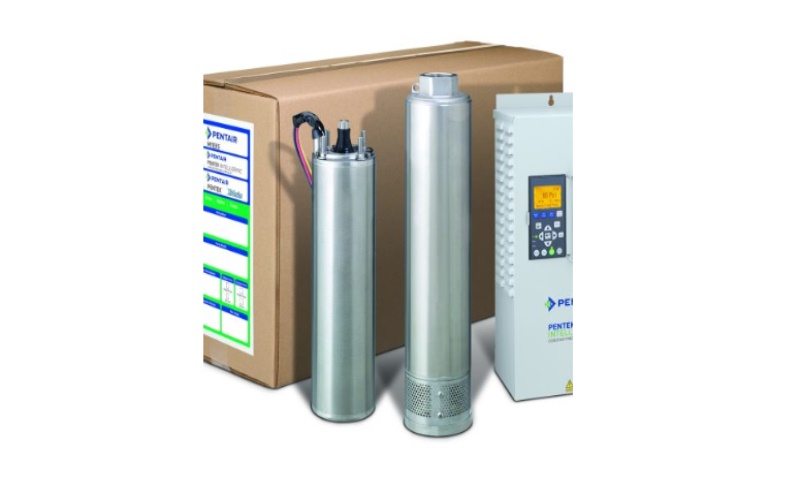
The rhythmic whir of a constant pressure well pump orchestrates the reliable flow of water in countless households. This technological marvel ensures consistent water pressure, enhancing efficiency and reducing pump cycling. However, the tranquillity of a well-functioning system can be disrupted by various issues, prompting the need for troubleshooting.
In this article, we’ll explore the intricacies of constant pressure well pumps, unravelling the common challenges that homeowners may encounter and providing practical solutions for effective problem resolution.
Understanding Constant Pressure Well Pumps
When homeowners decide to purchase a constant pressure well pump, they are investing in a solution that ensures a consistent water pressure level across their plumbing system. These advanced pumps, equipped with cutting-edge features like variable speed drives, not only enhance overall performance but also play a crucial role in promoting energy efficiency. Understanding the intricate mechanisms of these systems becomes essential as individuals embrace the advantages they offer.
To make the most of their purchase constant pressure well pump, homeowners should familiarise themselves with the key components, including the motor and impeller. This knowledge serves as the cornerstone for effectively identifying and resolving potential issues, such as unusual noises and vibrations, ensuring the longevity and smooth operation of the entire plumbing setup.
Unusual Noises and Vibrations
The auditory and tactile cues emanating from a constant pressure well pump can provide early indicators of underlying issues. Unsettling clanks, disconcerting grinds, or unexpected vibrations might suggest internal challenges within the pump. To address these concerns, homeowners can embark on a systematic inspection, checking for loose connections, worn-out parts, or irregularities in the impeller.
Tightening connections and replacing damaged components can often rectify the issue. However, if the disturbances persist, seeking the expertise of a professional technician is advised to conduct a comprehensive evaluation and prevent potential long-term damage.
Fluctuating Pressure Levels
Consistency in water pressure is a hallmark of a well-maintained constant-pressure well pump. Fluctuations, however, can disrupt the seamless operation of the system, causing inconvenience to homeowners. Potential culprits for pressure inconsistencies include problems with the pressure tank, faulty pressure switches, or waterlogged tanks. A meticulous examination of the pressure tank’s pre-charge, coupled with an assessment of the pressure switch for wear and tear, is the initial step in troubleshooting.
Moreover, ensuring the pressure tank is free from waterlogging is paramount for its optimal function. If these measures do not restore consistent pressure, consulting a professional becomes imperative to delve deeper into the root causes and implement targeted solutions.
Rapid Cycling of the Pump
Constant pressure well pumps are designed for efficiency, with rapid cycling being an anomaly that demands attention. Frequent on-off cycles can be attributed to several factors, including pressure tank issues, waterlogged systems, or imprecise pressure switch settings. Homeowners can proactively address this concern by inspecting and adjusting the pressure switch, ensuring it aligns with the system’s specifications. If the problem persists, a comprehensive evaluation by a professional technician is recommended to identify and rectify the underlying causes, preventing potential damage to the pump and associated components.
Loss of Water Pressure
A sudden loss of water pressure can disrupt the flow of daily activities and signal potential problems within the constant pressure well pump. Culprits for this issue may range from clogged filters and sediment buildup to a malfunctioning pump. Homeowners can embark on a step-by-step troubleshooting process, beginning with the inspection and cleaning of filters to eliminate any blockages.
Subsequently, a thorough examination of the pump for signs of wear or damage is crucial. In cases where sediment accumulation is the root cause, a system flush may be necessary to restore optimal water pressure. Timely intervention in response to water pressure loss ensures the sustained functionality of the constant pressure well pump and the overall efficiency of the water supply system.
Electrical and Power Supply Issues
The reliable operation of constant pressure well pumps is contingent upon a stable electrical supply. Issues such as the pump not starting or irregular power supply can be attributed to various factors, including loose connections, damaged wiring, or power source anomalies. Homeowners should conduct a detailed inspection of the electrical components, checking for loose connections and any signs of wear or damage to the wiring.
Verifying that the pump receives the correct voltage and ensuring the circuit breaker functions properly are essential steps in troubleshooting electrical and power supply issues. A proactive approach to addressing these concerns prevents prolonged downtime of the well pump, contributing to its longevity and sustained performance.
Conclusion
In the intricate dance of a constant pressure well pump, troubleshooting emerges as a choreography of systematic inspections and strategic interventions. Homeowners, armed with knowledge about the inner workings of these pumps, can navigate through common challenges with confidence. Whether addressing unusual noises, fluctuating pressure levels, rapid cycling, water pressure loss, or electrical issues, proactive troubleshooting ensures the sustained efficiency of the constant pressure well pump.
Regular maintenance and timely professional intervention serve as the pillars supporting the reliability and longevity of these vital components in a home’s water supply system. In the harmonious hum of a well-functioning pump, homeowners find not only convenience but also the assurance of a seamlessly flowing water supply.
